French Drain Installation vs. Surface Drainage in Southlake, TX: What Works Best for North Texas Yards?
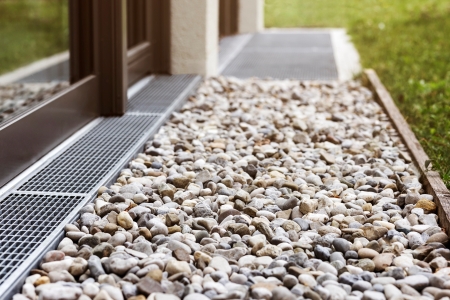
If your lawn stays soggy after storms, you are not alone. Between clay-heavy soils and fast spring downpours, yards around Southlake can hold water longer than you want. This guide breaks down when french drain installation is the right call, when surface drainage wins, and how a pro-designed system protects your lawn, patio, and slab. If you are ready to tackle standing water with a proven plan, explore our drainage services with Ardent Landscape.
How North Texas Soil And Storms Affect Yard Drainage
In much of North Texas, including Southlake neighborhoods like Timarron and Carillon, soil has a high clay content. Clay swells when wet and shrinks hard when dry. That movement pinches shallow pipes and slows infiltration. Add tight lot lines and roof areas that shed big volumes fast, and you get puddles in side yards, low corners near fences, and soft spots around patios after a typical thunderstorm.
Good design respects that reality. The goal is simple: collect water where it appears, move it at a controlled rate, and release it at a stable outfall that will not erode. The right choice between a French drain and a surface system depends on where the water comes from and how it behaves on your property.
When French Drain Installation Makes Sense In Southlake, TX
French drains address subsurface water. Think of that spongey, always-damp strip along a fence or the mushy turf beside a retaining wall. A trench with fabric, washed aggregate, and a perforated pipe creates a reliable path underground so trapped moisture has somewhere to go.
- Persistent wet zones where the surface looks dry but the soil below stays saturated
- Seepage along the base of slopes, retaining walls, or at the toe of berms
- Shaded side yards that never dry out due to limited sun and poor airflow
- Areas where grading improvements alone will not restore positive surface flow
In our climate, depth and materials matter. Clean stone supports flow and resists clogging. Filter fabric keeps fines out. Correct elevations and outlet protection keep the system performing across seasons. For more context on regional problem spots and solutions, check out our article on drainage fixes that keep north texas yards dry all year.
When Surface Drainage Systems Work Better
Surface drainage shines when water is visible and moving across hardscape or turf. Catch basins, channel drains, and shaped swales capture runoff and send it to a safe discharge point. These are ideal where flow is heavy and quick during storms.
- Low spots in lawns where puddles form after rain
- Water washing across patios, pool decks, or driveway aprons
- Downspouts dumping near the slab or onto walkways
- Wide areas where regrading can restore even, gentle flow to turf
Surface systems are visible, easier to access, and simple to maintain. With correct inlet sizing and stable outfalls, they handle sudden cloudbursts that are common in late spring.
Design Details That Decide Performance
The best system is often a blend. French drains handle groundwater and soggy strips. Surface inlets catch fast runoff. The details below decide how well your system works once the clouds open up.
Size for peak storms, not light showers. Undersized pipe or too few inlets cause backups. We size components for fast-moving North Texas downpours so water keeps moving instead of ponding where you least want it.
Protect the outlet. Riprap, splash pads, or level spreaders prevent washouts. A stable discharge point means the system still works after the first big storm of the season.
Keep roof runoff separate when needed. Tying enormous roof areas directly into a French drain can overload the line. Downspout extensions or dedicated buried pipes often perform better and protect sensitive zones.
Plan for maintenance access. Cleanouts, removable grates, and shallow transitions make seasonal checkups fast. Little touches today prevent headaches later.
French Drain Vs. Surface Drainage: A Quick Head-To-Head
Both systems are proven. Choosing the right one depends on the source of water, the layout, and long-term upkeep preferences.
French drain advantages: quietly lowers subsurface moisture, ideal for soggy strips, concealed under turf or gravel, and can protect retaining wall zones. Consider one where shady side yards never dry out or where seepage collects at the base of slopes.
Surface drainage advantages: captures visible runoff fast, easy to inspect, works well at driveways, patios, and downspout splash zones, and pairs nicely with gentle regrading to restore flow.
How We Choose The Right System For Your Yard
Every project starts with mapping how water reaches, moves across, and exits your property. We note roof size, downspout locations, turf health, and the smallest low spots. Elevations tell us whether regrading can solve the issue or if we need subsurface collection too. Our irrigation experts also evaluate how watering schedules interact with drainage so you are not fighting your own sprinklers.
From Timarron lots that border greenbelts to smaller cul-de-sacs near Southlake Town Square, we design stable outfalls that resist erosion and route water to the safest place available on the property. The final plan explains components in simple language, why they are placed where they are, and how they work together during a storm.
Local Scenarios Around Southlake
Side Yards With Fence Lines: Many homes have a narrow strip between the house and fence where water lingers after rain. A French drain set at the low edge, paired with a small catch basin at the lowest point, quietly lowers moisture so turf firms up again.
Driveway Aprons and Patios: When runoff sheets toward the garage or across the back patio, a slim channel drain installed at the threshold catches water before it crosses hardscape. Even a small grate can make a big difference in a sudden storm.
Homes Near Open Space: Properties next to greenbelts or open drainage swales may see extra flow entering the yard. A wide, shallow swale blended into the lawn can guide that water safely. Where the ground stays damp afterward, a short French drain segment can pick up the leftovers.
What About Upkeep?
Every system needs light attention through the year. Clear leaves from surface grates in the fall and after windy fronts. Walk the yard after big storms and note any new low spots. If you notice long-lasting soft areas or new stains at the slab edge, schedule a checkup so a pro can adjust inlets or add capacity where needed. Pairing your drainage design with efficient watering schedules helps keep soil moisture balanced, too.
Common Missteps To Avoid
There are a few traps that shorten system life or cause new problems elsewhere on the lot. Keep these in mind as you plan your project with a pro:
- Relying on a single small basin to handle a large roof area
- Ending an outfall on bare soil without rock protection
- Laying pipe too shallow where clay movement can pinch it
- Skipping filter fabric around gravel backfill in French drains
For a deeper local perspective on problem signs and system choices, you can also review our recent write-up on drainage fixes that keep north texas yards dry all year. It highlights patterns we see after spring and fall storms across North Texas.
How Drainage, Irrigation, And Landscaping Work Together
Great drainage supports healthy landscaping. When grades shed water the right way, irrigation can run shorter cycles and still keep turf green. Beds drain faster, so roots get air again and plants stay happier. If you are renovating a patio or planning new sod, it is smart to confirm the drainage plan first so you do not trap water against the new hardscape or your slab. Our team coordinates layouts so systems do not fight each other and the yard looks clean, not cluttered.
If you want a quick overview of the full menu of services that support a dry, healthy yard, browse our residential pages, then circle back here to plan the best combination for your property.
Which System Should You Choose?
If water pools on the surface during storms, start with surface drainage: capture it fast, move it safely, and protect the outlet. If the ground feels spongey days after rain or along shaded edges, a French drain likely belongs in the mix. Many Southlake yards benefit from a hybrid approach that collects both visible runoff and hidden seepage. The right blend dries your yard faster and keeps it that way through spring downpours and summer sprinkler cycles.
When you are ready for a design that fits your property and the way you use your outdoor space, our drainage services page explains how we tailor solutions for local soil, slopes, and storm patterns.
Talk With A Local Team That Builds It Right
You deserve a yard that works after every storm. Connect with Ardent Landscape for a clear assessment, a design you can understand, and a clean, careful build. For quick help, call 817-740-9236. If you are comparing options and want a quick refresher on fundamentals, start at our homepage under french drain installation and landscaping resources, then schedule your on-site visit.
When you are ready to move forward, we will map grades, size the inlets and pipe correctly, and protect the outlet so your system lasts. That is how we help Southlake homeowners trade soggy corners for dry, usable space.
We Think About Your Lawn So You Don’t Have To! Contact Our Landscaping Contractors In Southlake & Surrounding Areas!